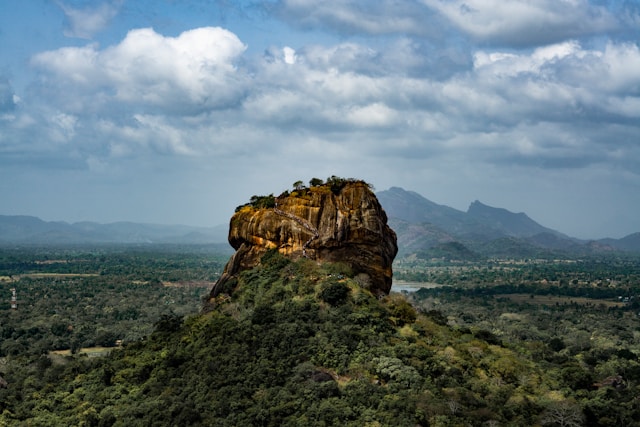
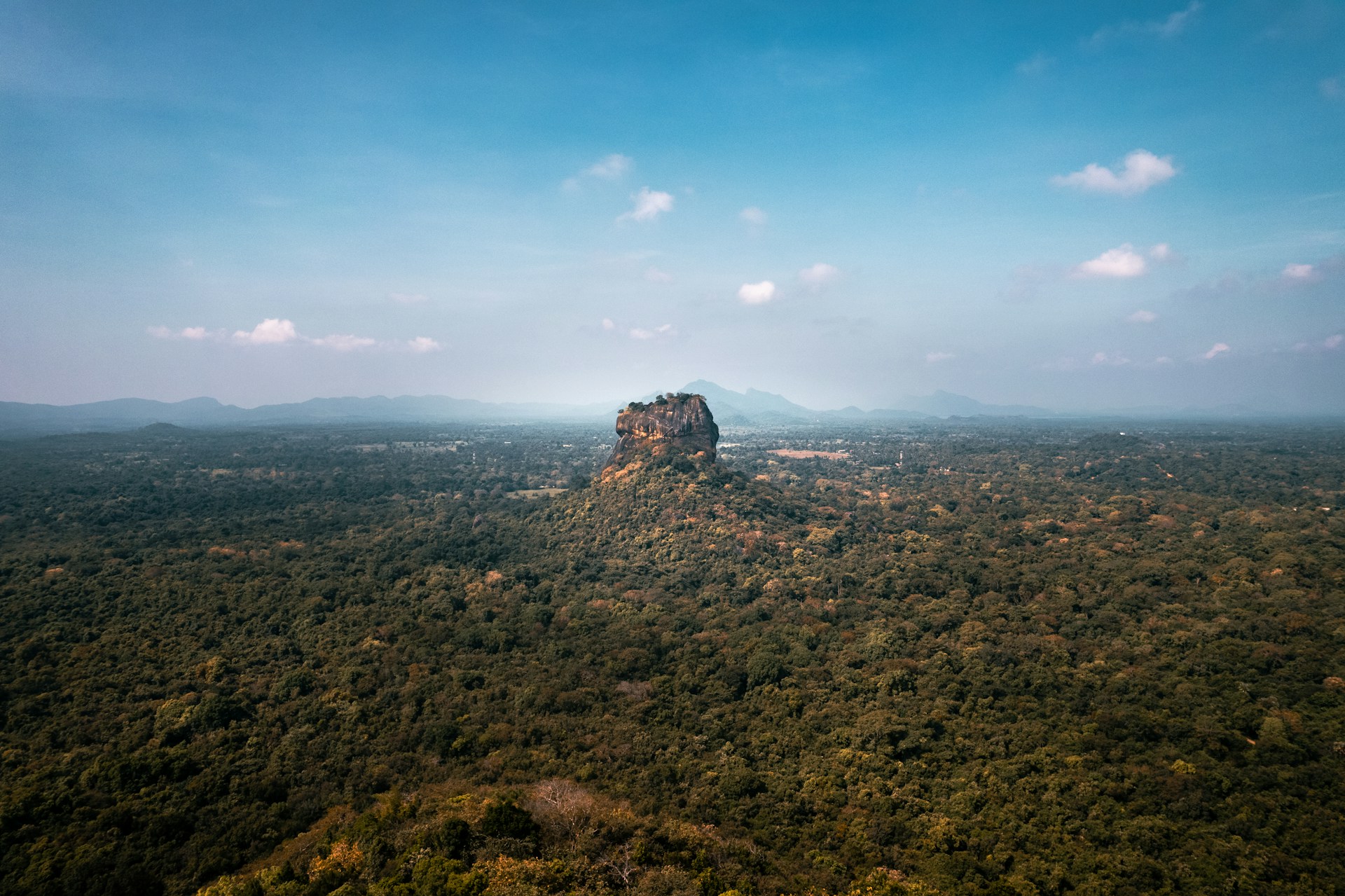
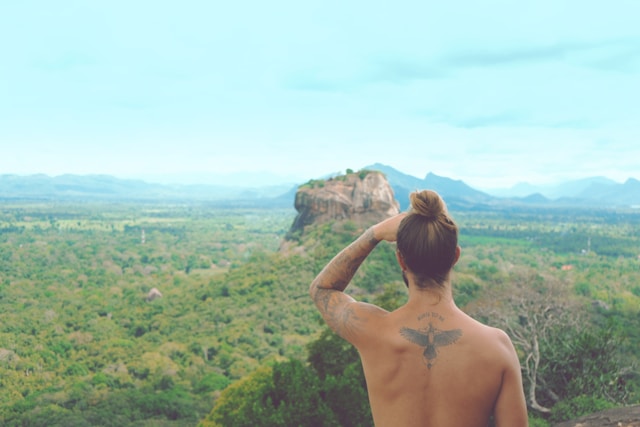
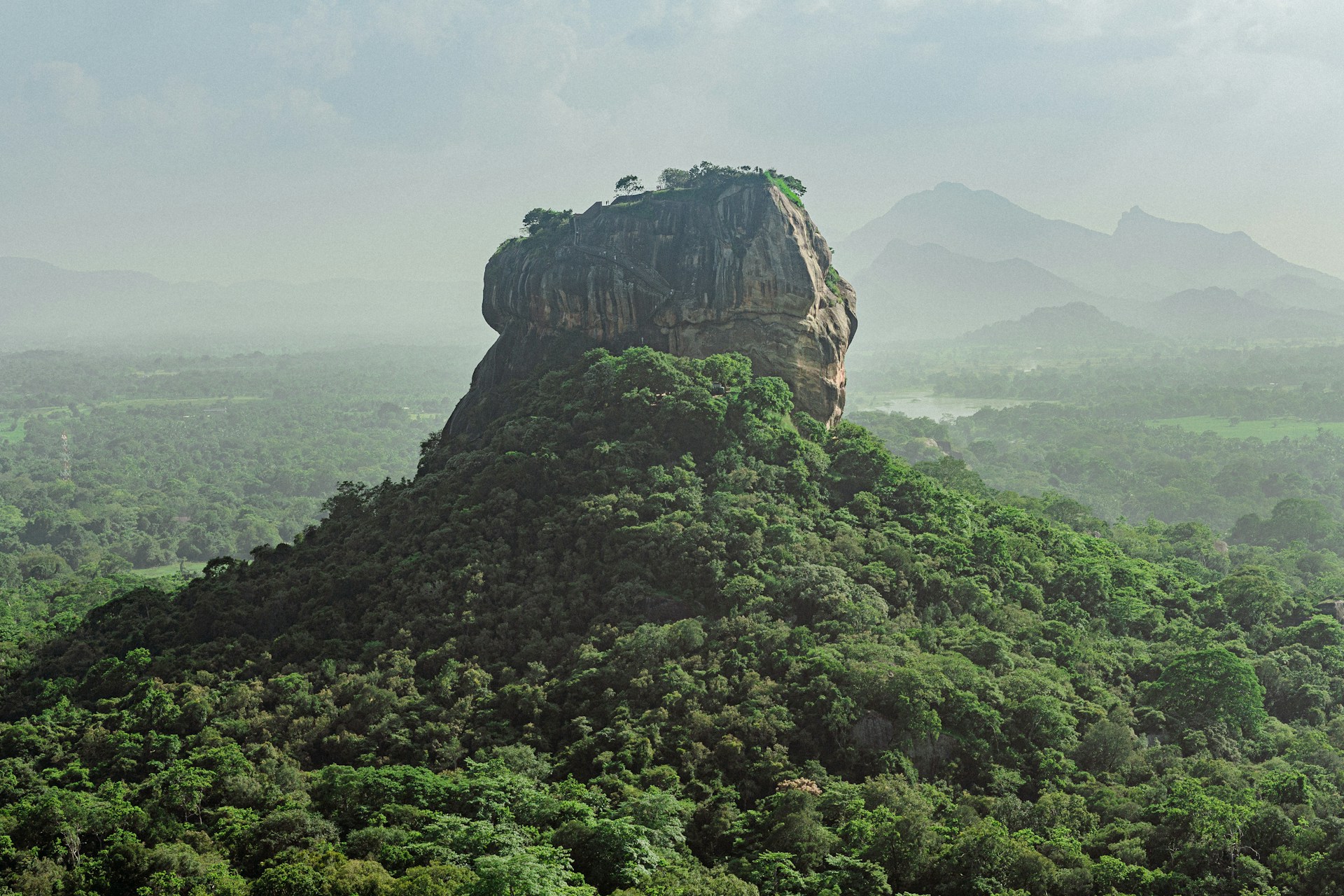
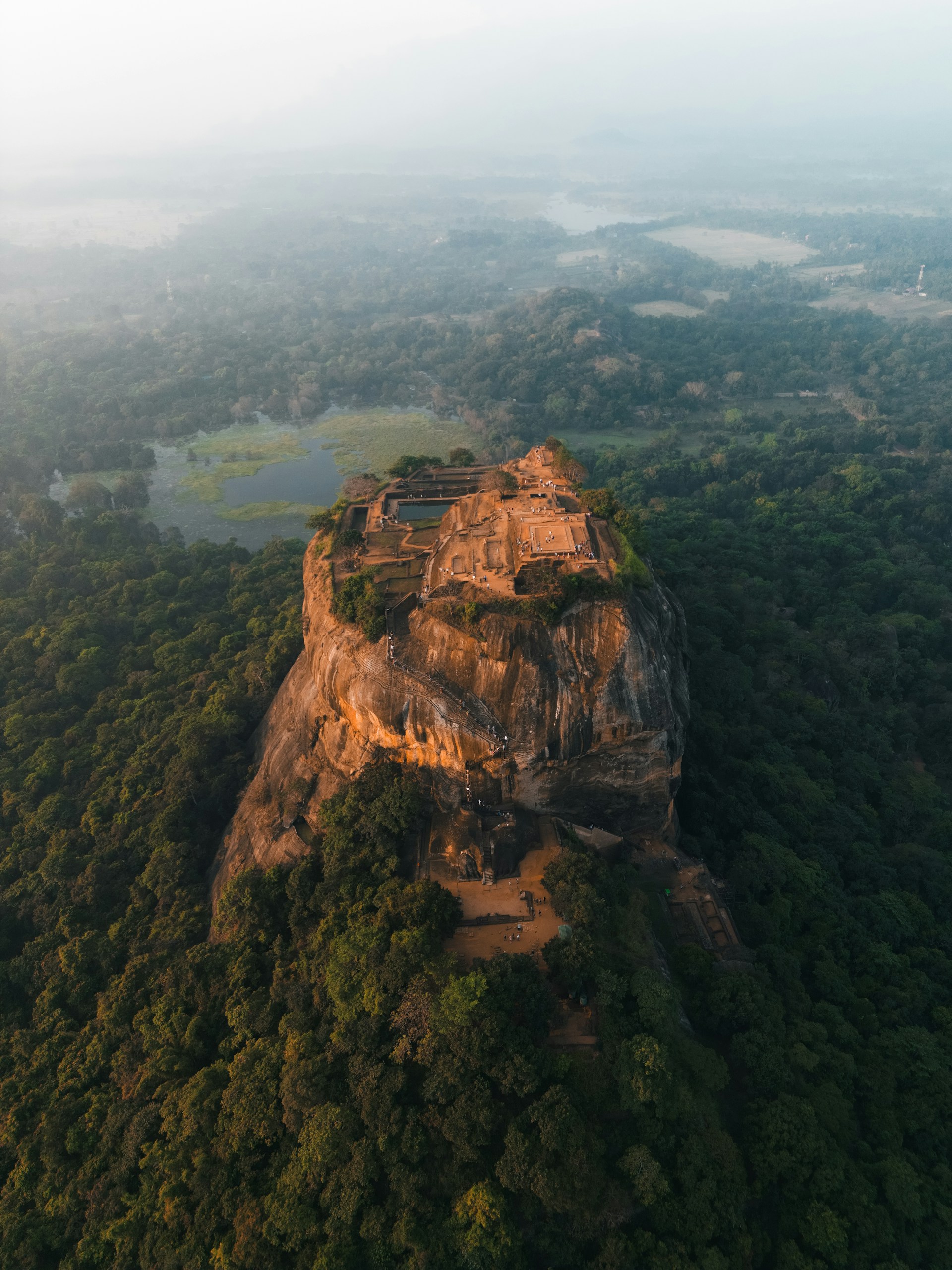
Rising approximately 180 metres above the surrounding plains, the Sigiriya Rock Fortress stands as one of Sri Lanka’s most awe-inspiring heritage sites. Built during the reign of King Kashyapa I (477-495 CE), this ancient citadel was the royal capital of the island for a brief but spectacular era. Now listed as a UNESCO World Heritage Site, it is often described as the “Lion Rock” — a masterpiece of architecture, water-engineering and landscape design.
For travellers from Europe and China seeking a destination where history, nature and culture converge, Sigiriya offers an extraordinary experience. With relatively short transfer times from Colombo or major resorts, a structured climb to the summit, vivid frescoes and sweeping jungle views, it is the perfect addition to a Sri Lankan itinerary built by Serandis.
But Sigiriya is more than history—it is a gateway to Sri Lanka’s rich wetlands and natural ecosystems, which together cover around 15% of the country’s land area. Wetlands such as Muthurajawela Marsh, Anawilundawa Sanctuary, Bundala National Park, and the wetlands surrounding Sigiriya itself, provide habitats for over 240 species of birds, 50 species of fish, and 100 species of butterflies, along with endangered animals like the fishing cat and the purple-faced langur. Recognized under the Ramsar Convention, Sri Lanka’s wetlands are not only biodiversity hotspots but also vital to flood control, water purification, and supporting traditional village life.
For travelers seeking both cultural depth and natural immersion, Sigiriya Rock Castle combined with Sri Lanka’s wetlands offers a rare dual experience: the chance to explore a 1,500-year-old masterpiece of human ingenuity alongside living landscapes teeming with life. Few destinations in the world allow you to walk through an ancient citadel in the morning and glide through untouched marshlands by evening—all within a few hours of travel. it sits within a living natural landscape where wetlands play a crucial role in sustaining biodiversity and communities. Sri Lanka’s wetlands cover nearly 15% of the island’s surface area, and several have been declared internationally significant under the Ramsar Convention. These wetlands are ecological treasures that support remarkable biodiversity while offering visitors immersive encounters with nature.
• Muthurajawela Marsh (near Negombo): A coastal wetland stretching over 6,000 hectares, known for its mangroves and salt marshes. It is home to more than 190 bird species, 40 species of fish, and mammals such as the endangered fishing cat.
• Anawilundawa Sanctuary (Northwestern Province): A unique man-made wetland system dating back to the 12th century, now a Ramsar site. It provides sanctuary for over 150 bird species, including migratory flocks that arrive seasonally.
• Bundala National Park (Southern Coast): Sri Lanka’s first Ramsar site and a UNESCO Biosphere Reserve. Its lagoons and salt pans host up to 20,000 migratory waterbirds, including flamingos, while also sheltering elephants, crocodiles, and marine turtles.
• Koggala & Maduganga Wetlands (Southern Province): Networks of lakes and mangroves rich in aquatic plants, butterflies, and reptiles, offering boat safaris through tranquil waterways.
• Sigiriya & Minneriya Wetland Systems (Central Province): Reservoirs and irrigation tanks around Sigiriya not only supported the ancient hydraulic civilization but today attract elephants, wading birds, and a wide array of aquatic life.
Together, these wetlands support over 240 species of birds, 50 species of fish, 100+ species of butterflies, and several globally threatened animals. They also act as natural flood buffers, water purifiers, and vital lifelines for traditional farming and fishing communities.
For travelers, this means that a single journey to Sri Lanka combines two worlds: the cultural majesty of Sigiriya Rock Castle and the living, breathing beauty of the island’s wetlands. Few destinations on Earth offer such a seamless union of history and biodiversity—where you can walk through a 1,500-year-old royal fortress in the morning and glide past flamingos, mangroves, and fishing villages by afternoon.